

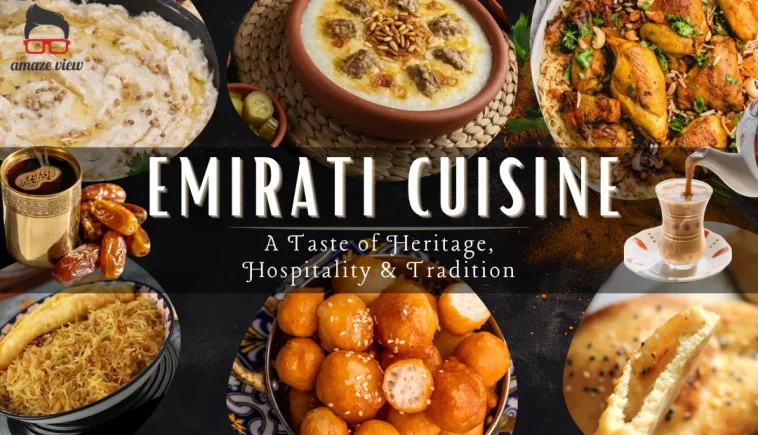
Emirati cuisine reflects the rich culture, history, and traditions of the United Arab Emirates. A century-old trade connection with the Arabian Peninsula, Iran, India, and East Africa influences the cuisine and provides a unique identity. Traditional Emirati dishes combine simple ingredients with bold flavors, where rice, meat, seafood, and dates are used in daily meals. Aromatic spices, including saffron, cardamom, cinnamon, and dried lime provide a distinct taste to the dish. Emirati cuisine is a symbol of the heritage and hospitality of the UAE, which offers an authentic experience to locals and visitors.
What Is Emirati Cuisine?
Dubai and Abu Dhabi offer cuisine from all around the world, but Emirati cuisine has its own unique identity. These cuisines come from two different communities: Bedouin nomadic lifestyles and coastal fishing communities.
Bedouin nomadic lifestyles come from a desert lifestyle that relies on preserved meats, dairy, and dates. However, coastal cuisine shapes fishing and maritime trade routes that bring spices from South Asia, Persia, and East Africa.
The UAE has limited geographical agricultural land, so imported ingredients, including rice and spices, become popular for daily cooking, while dates, camel milk, and fish provide nutrition to the locals.
Popular Emirati Dishes
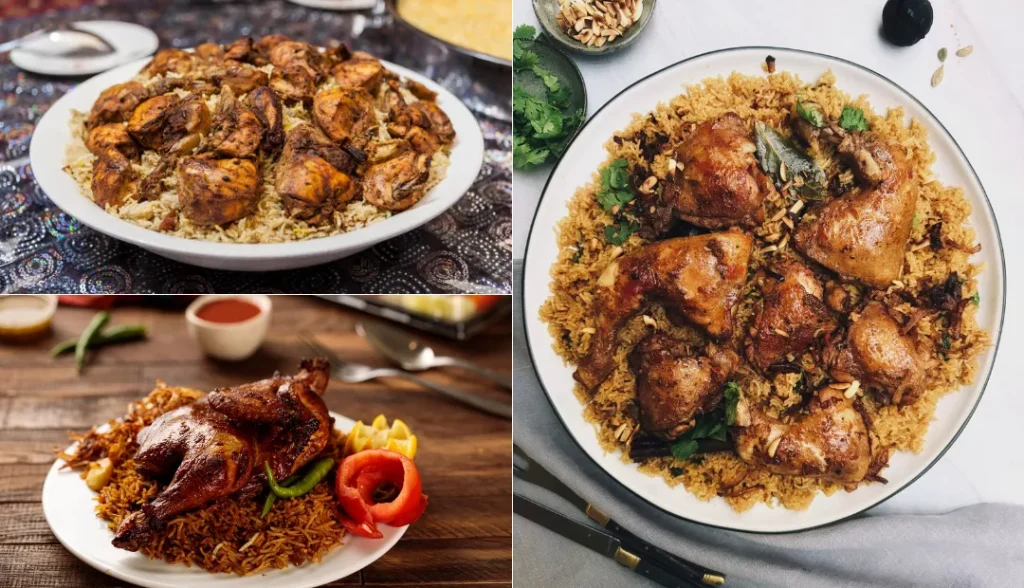
Machboos – UAE National Dish
Machboos is a famous dish and is considered the national dish of the UAE. This flavorful dish is made by combining rice, meat, or fish with dried lime, cardamom, cinnamon, and saffron. This is similar to biryani, but the spices and ingredients are different and less layered.
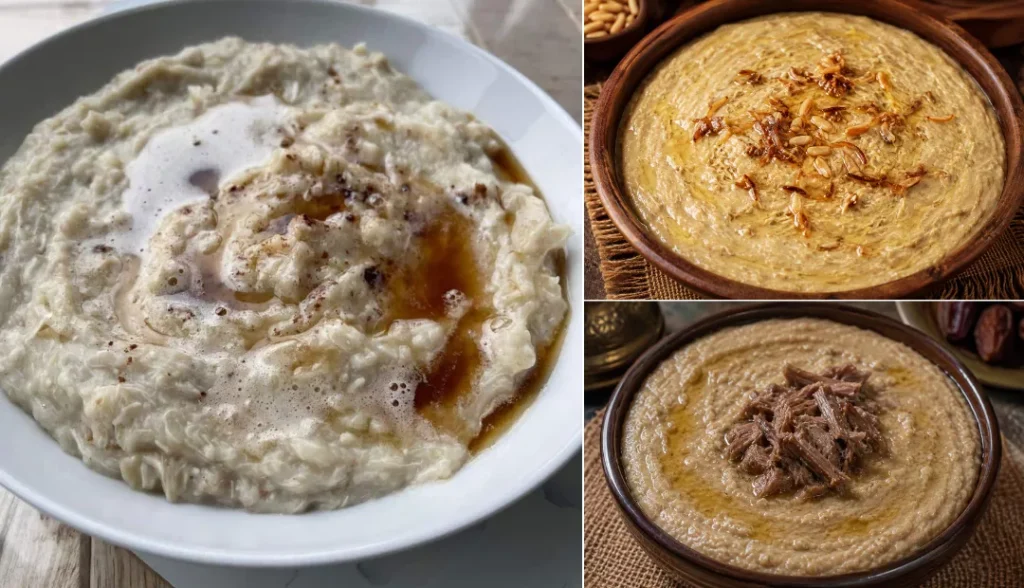
Harees – Wheat and Meat Porridge
Harees is a traditional comfort food, a slow-cooked porridge of wheat and meat followed by pounding until smooth and creamy. This dish is valued for its simple preparation and comforting texture. This is a popular dish during Ramadan and Eid celebrations.
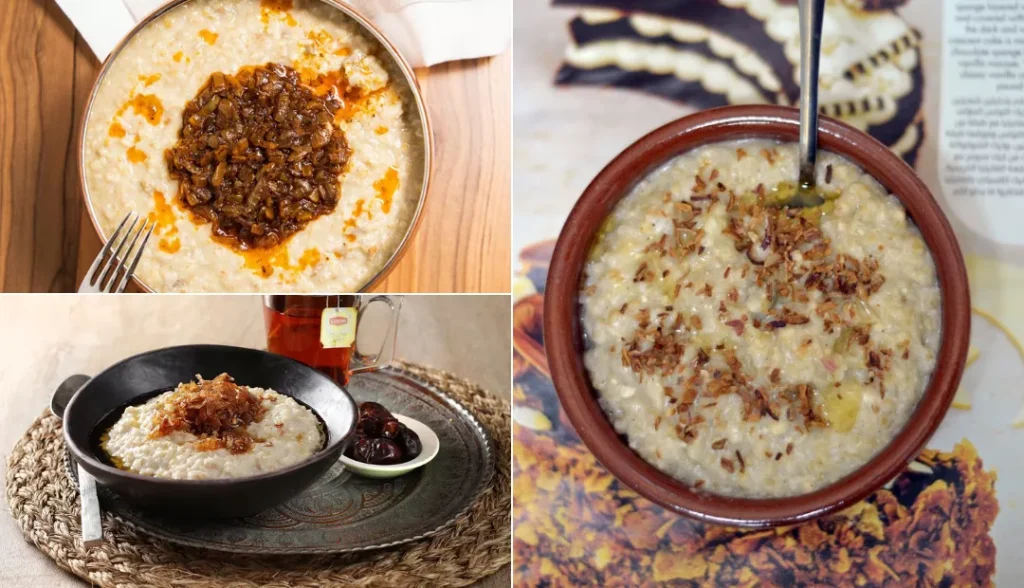
Al Jareesh – Emirati Comfort Food
Ai jareesh preparation is similar to the AL hareesh. However, coarsely ground wheat is used in AL jareesh instead of pounded wheat, so the texture becomes more grainy. Wheat mixtures cooked with meat, onions, and mild spices become one of the comfort dishes in the Gulf region.
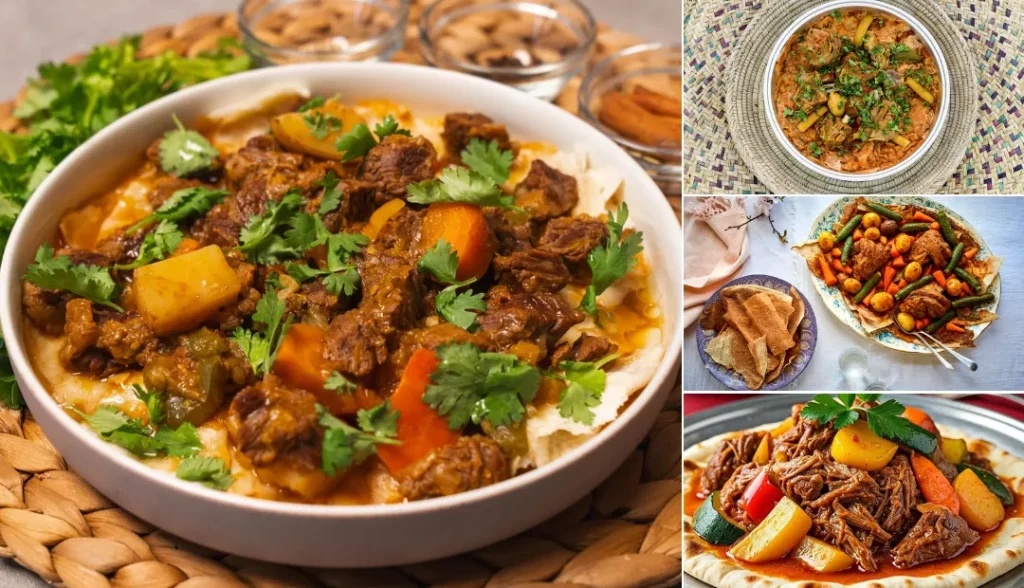
Thareed – Meat and Bread Stew
Thareed combines layers of bread, meat, and vegetable stew to create a hearty meal. Bread absorbs the stew flavor and provides a rich and satisfying taste. This dish is especially popular during Ramadan and family gatherings.
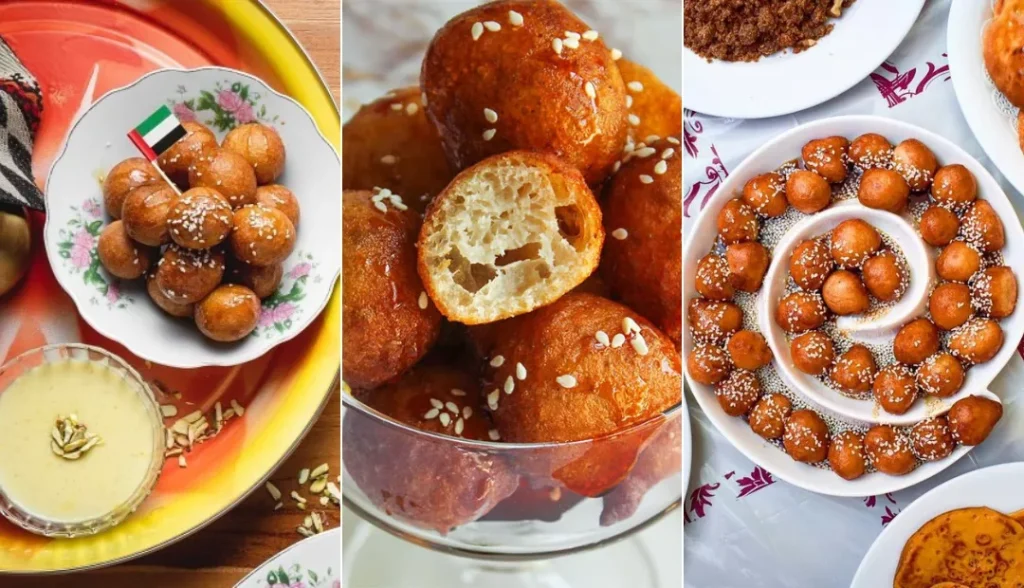
Luqaimat – Traditional Emirati Dessert
These are deep-fried dough balls that are crispy on the outside and soft on the inside. Traditionally, people serve them hot with sesame seeds, date syrup, or honey. This is a favorite sweet dish during festival celebrations.
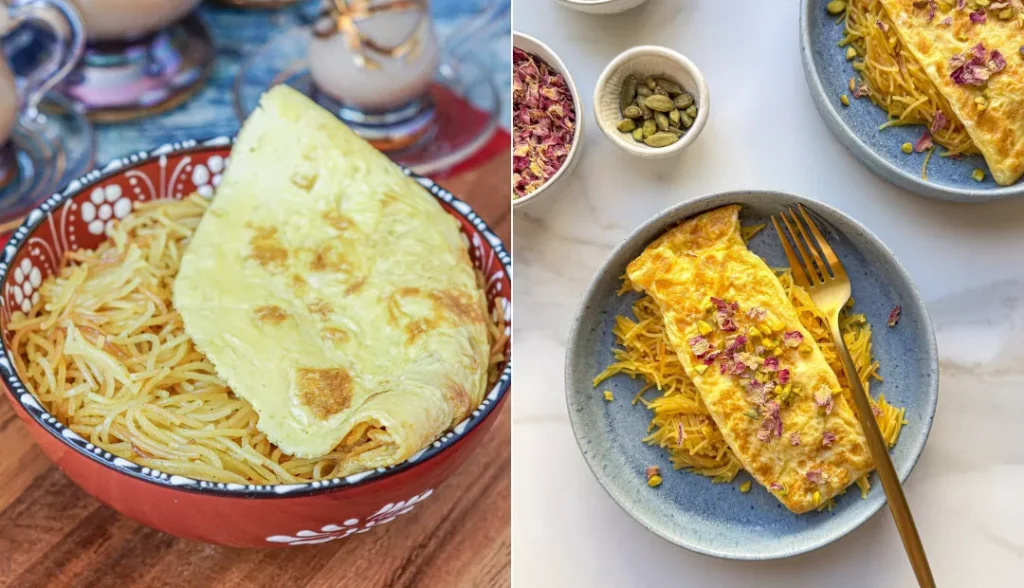
Balaleet – Emirati Breakfast Specialty
This dish is made from vermicelli cooked with sugar, cardamom, saffron, and topped with a folded omelet. This breakfast dish has a combination of sweet vermicelli and savory eggs that provides a unique identity in Emirati cuisine.
Khameer and Chebab – Traditional Emirati Breads
Khameer is a soft and slightly sweet traditional flatbread often eaten with cheese or honey at breakfast, while Chebab is a thick pancake-like bread, flavored with cardamom and saffron, served with cheese and date syrup.

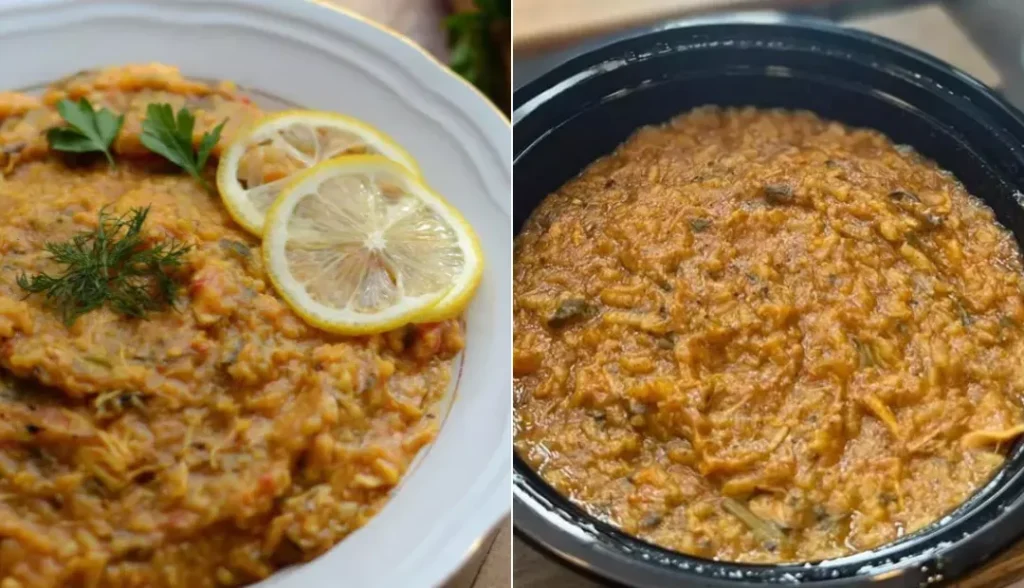
Madrooba – Creamy Fish and Rice
Madrooba is a traditional seafood dish in the UAE. This dish is prepared with fish and rice cooked together until the rice breaks down into a creamy texture. The texture is similar to that of the risotto dish, reflecting the fishing-based Emirati food culture.
Emirati Beverages
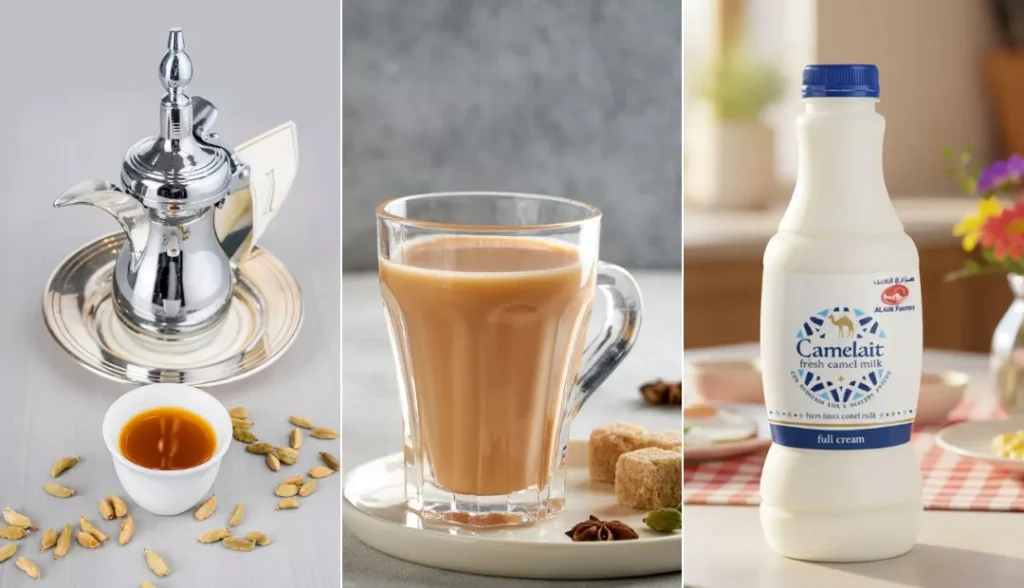
- Arabic coffee: Arabic coffee is known as gahwa, one of the most important symbols of Emirati hospitality and culture. Brewing lightly roasted, coarsely ground coffee beans with cardamom, cloves, and saffron creates Arabic coffee with a rich aroma and distinctive flavor. Emiratis traditionally serve Arabic coffee in small cups with dates and dried fruits to show respect and hospitality.
- Karak Tea: People prepare Karak tea by brewing black tea with milk, sugar, and cardamom to create a rich and flavorful drink. It is commonly available at cafés, tea shops, and restaurants across the country.
- Camel milk: Camel milk is an important source of nutrition in the Emirati diet. People consume camel milk fresh or use it in desserts, chocolates, ice cream, and even coffee.
Best Places to Experience Emirati Cuisine
Authentic Emirati cuisine is available at heritage restaurants, cultural centers, and traditional dining venues that focus only on preserving local food traditions. Cities including Dubai, Abu Dhabi, and Sharjah have dedicated restaurant options for authentic cuisine. Dining in such a venue provides a better understanding of the history, traditions, and hospitality of the UAE.
Al Fanar restaurant is one of the popular choices that offer traditional dishes like Machboos, Harees, Thareed, and Luqaimat in their original form. Arabian Tea House in the Al Fahidi district serves traditional Emirati meals, Arabic coffee (gahwa), dates, and offers a charming atmosphere. Logma restaurant combines traditional Emirati and Khaleeji recipes with contemporary presentation.
Summary
Emirati cuisine is a combination of Bedouin traditions, coastal food culture, and centuries-old trade influences from the surrounding UAE. Rice, dates, meat, and seafood are core ingredients, while saffron, cardamom, and dried lime provide unique flavors. Traditional dishes like Machboos, Harees, and Luqaimat are an identity of Emirati culture, especially during Ramadan, festivals, and family gatherings. The trade history of the UAE and cultural exchange have shaped the cuisine, creating a rich culinary heritage that reflects the country’s history, traditions, and hospitality.
More Dubai Dining Guides:
- Seaview Restaurant in Jumeirah: Beachfront Dining Spots in Dubai
- Best All You Can Eat Buffets in Dubai Marina 2026 Guide
- 5 Must-Visit Cafés in Dubai Marina for Coffee and Community

