

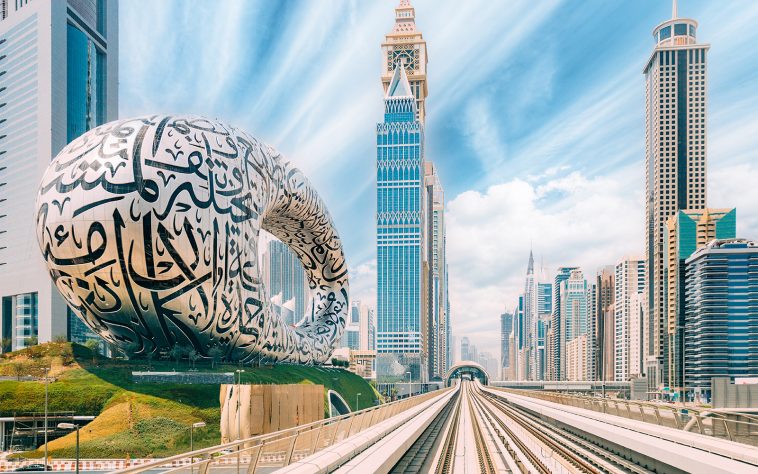
For years, Dubai has been described in predictable ways – luxurious, glamorous, ambitious, over-the-top. But those labels don’t fully explain why so many people feel something different when they spend time here.
Dubai doesn’t just look modern. It feels like a prototype of what future cities might become.
This isn’t about tall buildings or luxury shopping malls. It’s about how infrastructure, culture, technology, and lifestyle are merging into something unusually intentional.
Let’s break down why Dubai increasingly feels less like a destination – and more like a preview.
1. A City Designed for Speed – Not Just Size
Many global cities evolved over centuries. Streets were adapted. Systems were patched. Infrastructure grew unevenly.
Dubai, on the other hand, was built with acceleration in mind.
What stands out:
- Wide, multi-lane highways designed for high flow
- Metro connectivity planned around growth corridors
- Digitized government services (most paperwork handled online)
- Smart city initiatives integrated from early stages
- Constant infrastructure upgrades instead of reactive fixes
The result?
Daily life feels streamlined. Processes that take weeks elsewhere often take days – sometimes hours.
Dubai operates like a city that expects change and plans for it.
2. Architecture That Reflects Ambition, Not History
Unlike cities defined by preservation, Dubai is defined by projection.
The skyline isn’t nostalgic – it’s aspirational.
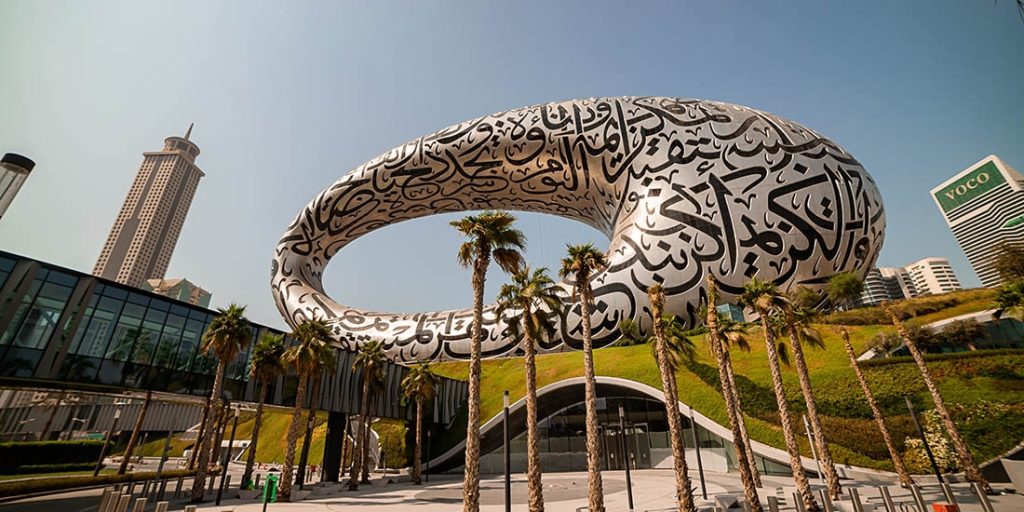
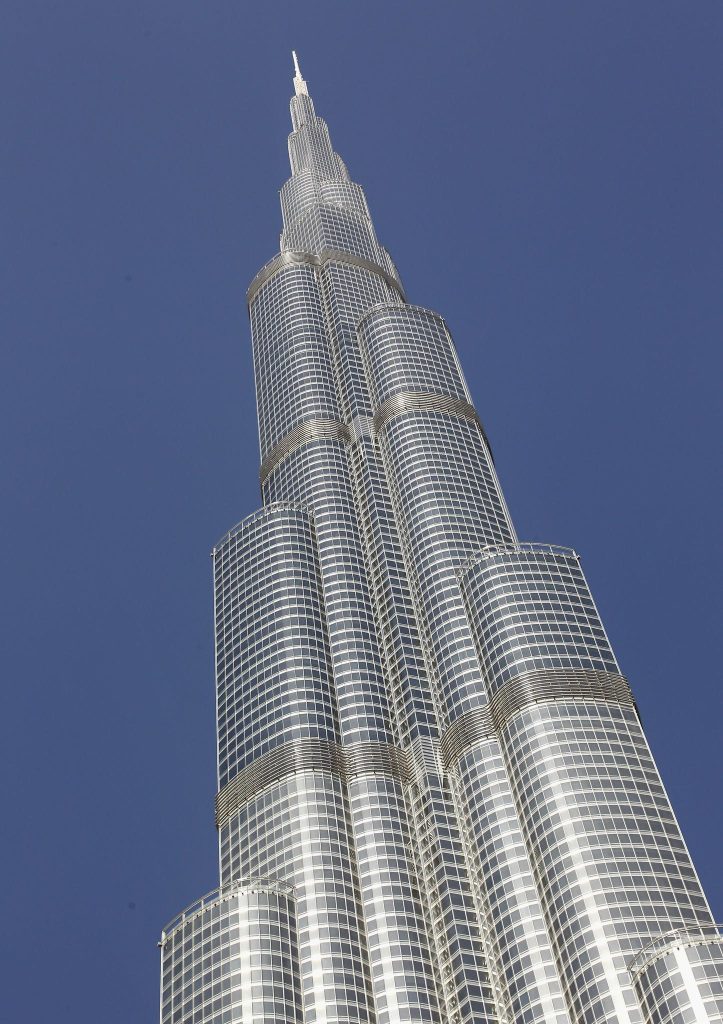
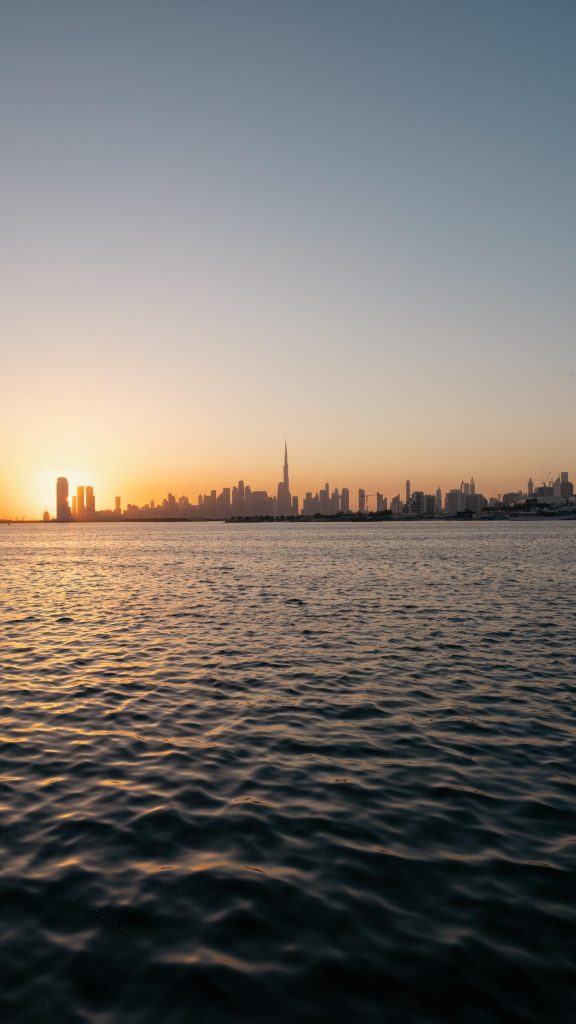
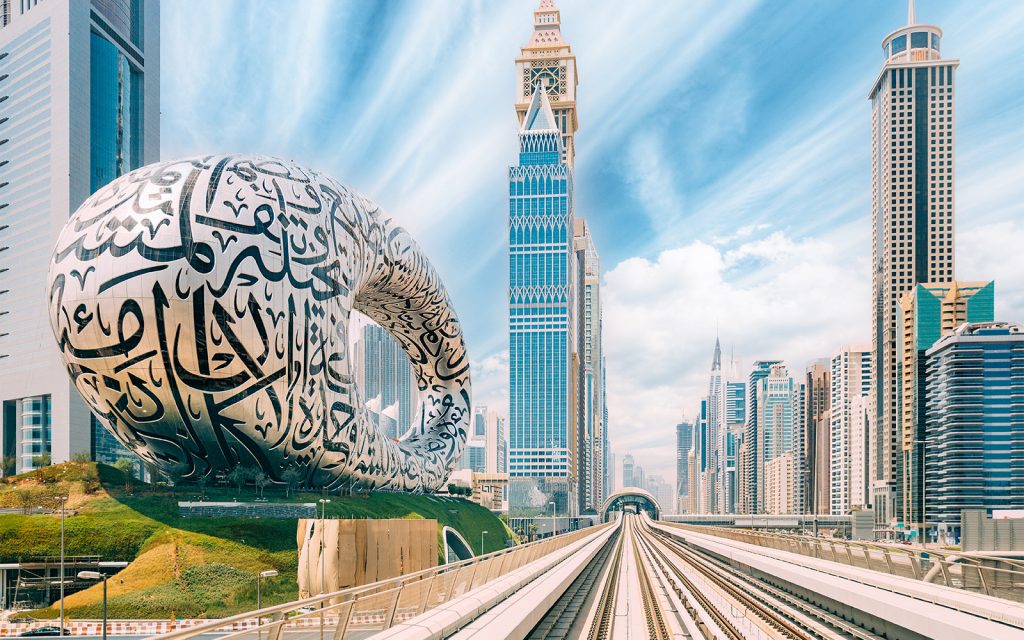
Instead of protecting a centuries-old architectural identity, Dubai experiments.
You see:
- Futuristic glass towers
- AI-inspired design structures
- Ultra-modern residential communities
- Districts that feel like curated lifestyle ecosystems
The message is subtle but clear:
The city isn’t trying to preserve the past – it’s trying to prototype tomorrow.
3. A Global Population in One Urban Space
Dubai is home to residents from over 200 nationalities. That’s not just a statistic – it shapes how the city functions.
Walk through a single neighborhood, and you’ll find:
- Indian grocery stores next to French bakeries
- Lebanese restaurants near Korean cafés
- British expats, Filipino professionals, Emirati families – sharing the same public spaces
This kind of diversity isn’t incidental. It’s normalized.
Unlike cities where multiculturalism creates tension, Dubai integrates diversity into everyday operations – from business laws to education systems to dining culture.
It feels like a global hub rather than a regional capital.
4. Lifestyle Infrastructure, Not Just Lifestyle Marketing
Luxury branding is easy.
Functional luxury is harder.
Dubai doesn’t just advertise lifestyle – it builds infrastructure around it.
Consider:
- 24/7 service economy
- High-end fitness and wellness culture integrated into residential communities
- Marina walks, beachfront districts, pedestrian-friendly zones
- Co-working spaces in almost every major area
- Residential buildings with smart-home features as standard
Living here feels engineered for convenience. In fact, modern urban trends show how social spaces shape living patterns – just like Dubai’s evolving café culture is quietly redefining social life in 2026.
Time-saving systems aren’t a bonus – they’re the expectation.
5. Business-Friendly by Design
One major reason Dubai feels “future-forward” is how quickly businesses can scale here.
Compared to many traditional economies:
- Company formation is streamlined
- Free zones reduce friction
- Digital banking and fintech adoption are widespread
- Tax structures attract global entrepreneurs
- Remote work infrastructure is strong
It’s not accidental that influencers, creators, founders, and digital professionals are relocating here.
Dubai has structured itself to reduce startup friction.
That’s a very future-oriented mindset.
6. Technology as a Civic Tool
In many cities, technology is layered onto old systems.
In Dubai, technology is embedded from the start.
Examples include:
- Smart policing systems
- AI-driven government portals
- Cashless payment adoption across sectors
- Advanced transportation monitoring
- Sustainable city planning initiatives
The ambition isn’t hidden – Dubai openly talks about becoming one of the smartest cities in the world.
And it’s investing accordingly.
7. Blending Tradition Without Letting It Restrict Growth
Despite the ultra-modern appearance, Dubai still maintains visible cultural roots.
You’ll find:
- Traditional souks alongside mega malls
- Emirati heritage districts preserved within modern development
- Cultural festivals and national celebrations integrated into urban life
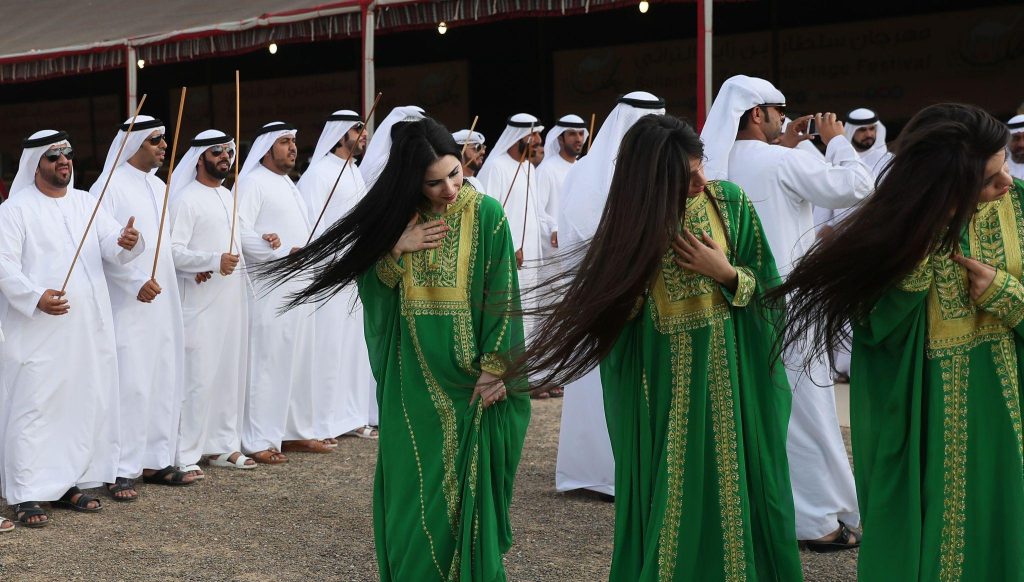
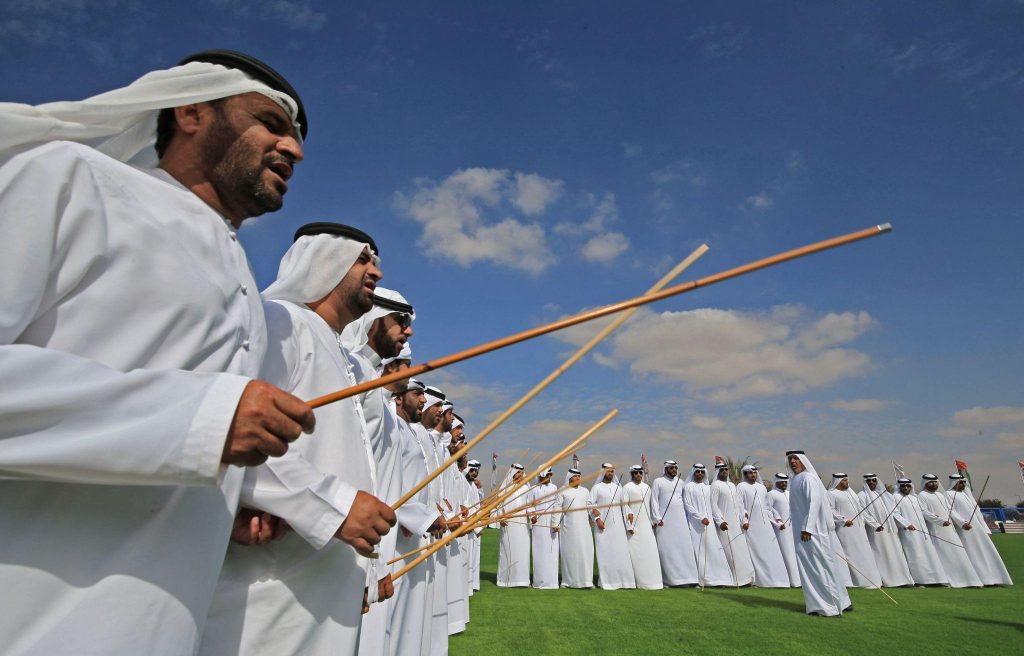
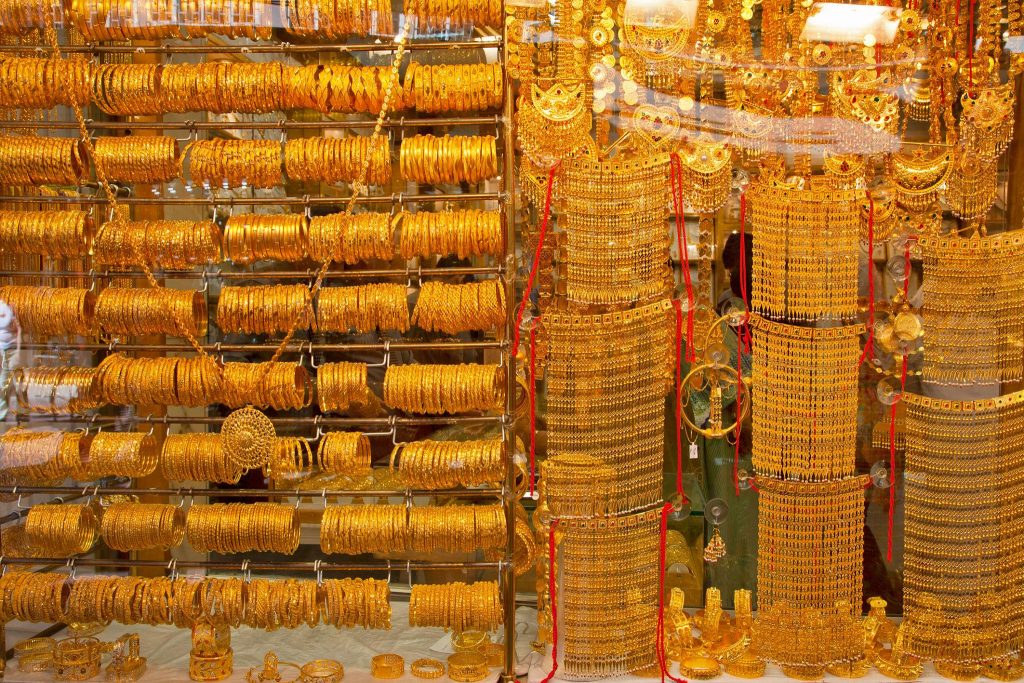
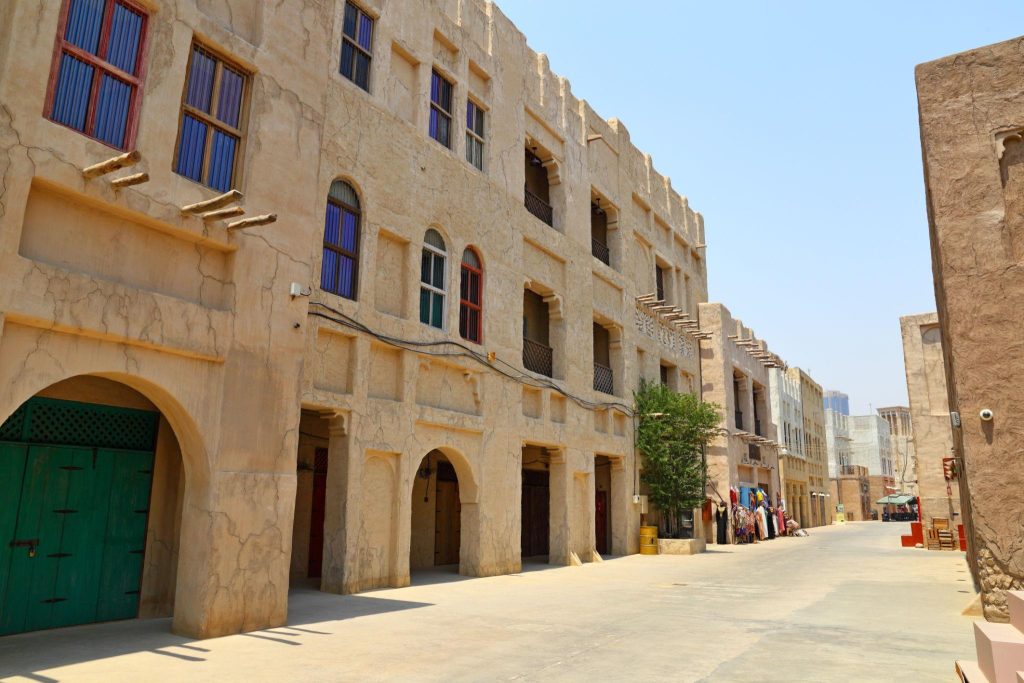
The city doesn’t erase tradition – it positions it alongside progress.
That coexistence gives Dubai a layered identity instead of a purely futuristic façade.
8. Safety and Stability as Urban Advantages
One overlooked factor behind Dubai’s “future city” perception is stability.
People often mention:
- Low crime rates
- Strong public order
- Efficient law enforcement
- High public cleanliness standards
These things don’t trend on social media, but they shape daily life deeply.
For families, professionals, and entrepreneurs, predictability matters.
And Dubai delivers that consistently.
9. A City That Reinvents Itself Every Few Years
Most cities evolve gradually.
Dubai transforms in cycles.
Entire districts:
- Appear
- Expand
- Rebrand
- Upgrade
New lifestyle zones emerge. Old ones get redesigned. Infrastructure expands rapidly.
That constant reinvention creates a feeling of motion.
It doesn’t feel static.
It feels like a city permanently under development – by choice.
So Is Dubai the “Future”?
Not necessarily in every way.
It still faces challenges:
- Rapid expansion pressures
- Cost-of-living adjustments
- Environmental considerations
- Population balance issues
But what makes Dubai feel like the future is not perfection.
It’s intention.
The city plans forward instead of reacting backward.
And that mindset is rare.
Final Thought
Dubai isn’t just a luxury destination anymore. Real estate marketing today is about selling experiences. And as seen in evolving urban cultures like Dubai’s café culture, lifestyle always wins over plain features.
It’s:
- A global experiment in rapid urban development
- A multicultural business ecosystem
- A city built for convenience and scale
- A prototype for high-speed modern living
Whether one agrees with every aspect of it or not, Dubai represents something many cities are still trying to become:
A place designed for tomorrow – not just inherited from yesterday.
Read More like this:
- 5 Must-Visit Cafés in Dubai Marina for Coffee and Community
- Best Electric Cars in Dubai: Top EV Models Guide
- Dubai Traffic AI Radar Violations Rules & Fines

